
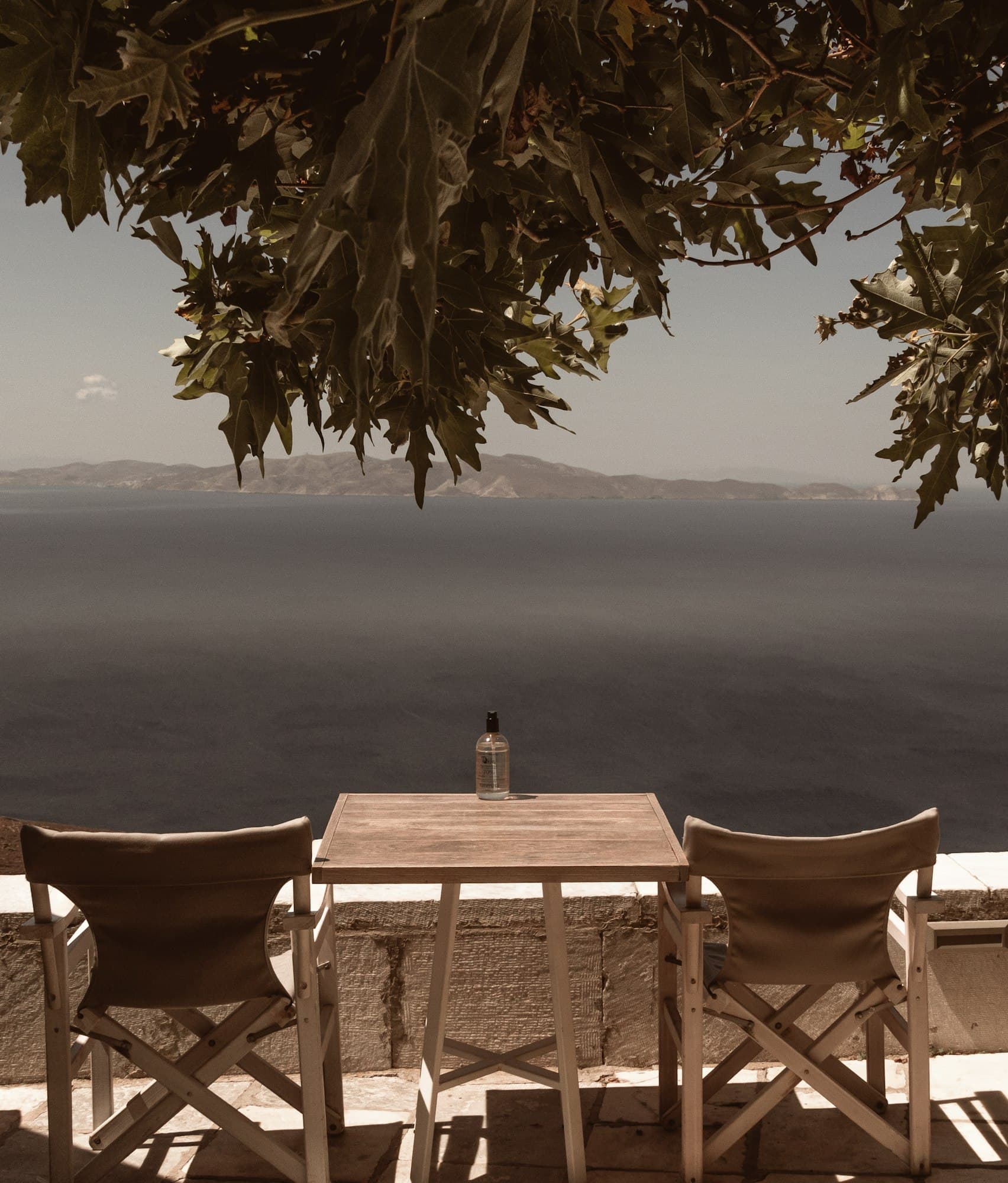
Folegandros Chora is built along the edge of a cliff two hundred metres above the sea, and this house sits at the very rim. The terrace hangs over the drop, with a table for two in the shade of an old tree and the neighbouring islands on the horizon; white steps lead down to a small lower terrace for the last glass of the evening. Inside there is one bedroom with a double bed and linen sheets, a small kitchen and a shower room, and it sleeps two. The village’s three shaded squares are a four-minute walk away, and the zigzag path up to the church of Panagia starts nearby. Karavostasis, the port, has a small beach beside the quay and is ten minutes down the hill by taxi.
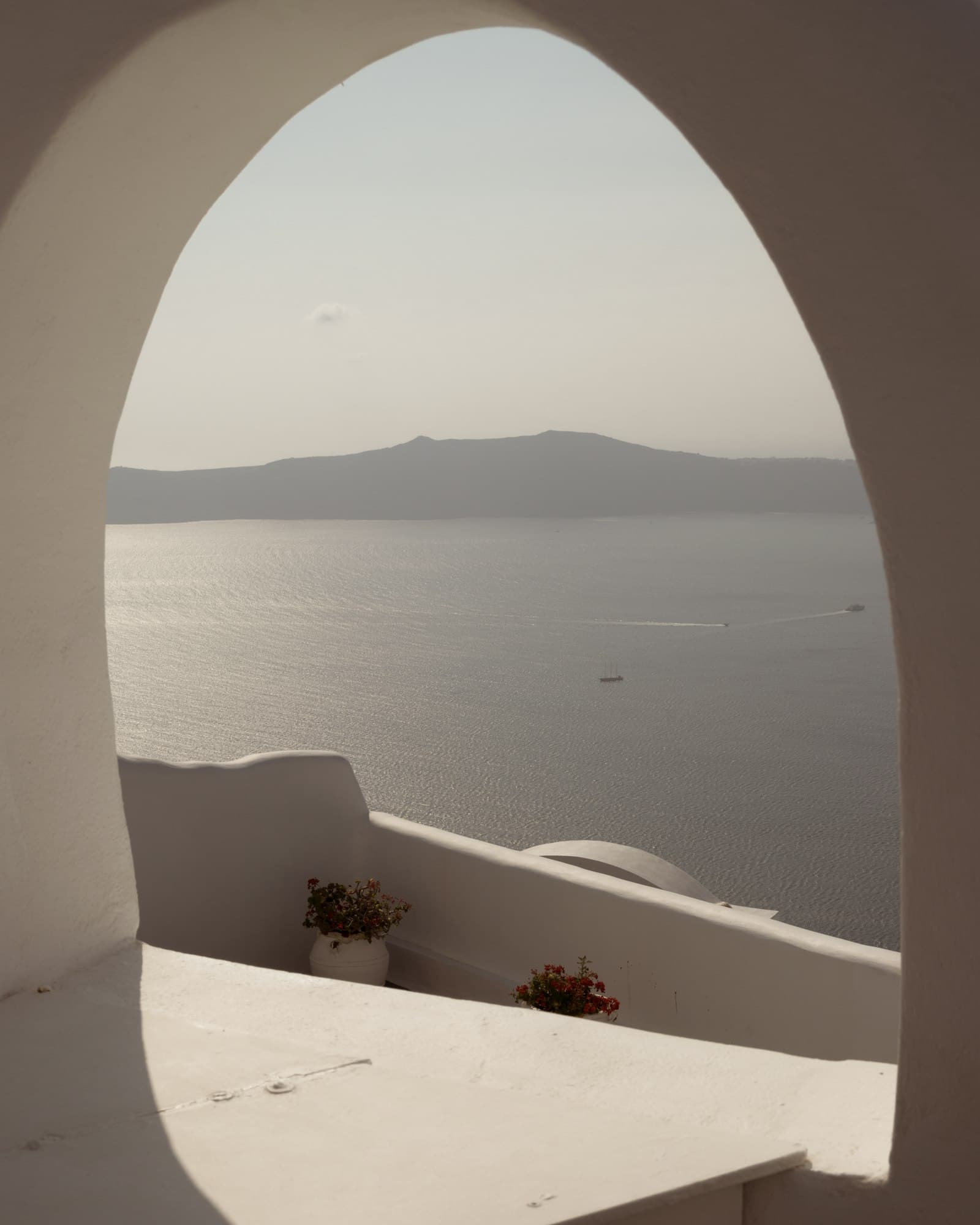
Stelida is the rocky hill between Naxos Chora and the beaches of the west coast, and its upper slopes look straight across the strait to Paros. This one-room studio is set into the hillside below the summit, and its terrace opens through one tall whitewashed arch that faces Paros and frames the sunset on every clear evening from May to October. The room holds a double bed, a table for two by the window and a small kitchen along the back wall, with a shower room behind a door Pavlos made himself; it sleeps two. The terrace beyond the arch has a bench and two pots of geraniums. Agios Prokopios beach is fifteen minutes down the hill on foot, rather more on the way back up, and the shallow lagoon at Agios Georgios, where people learn to windsurf, is a short drive. Naxos port is ten minutes by car.
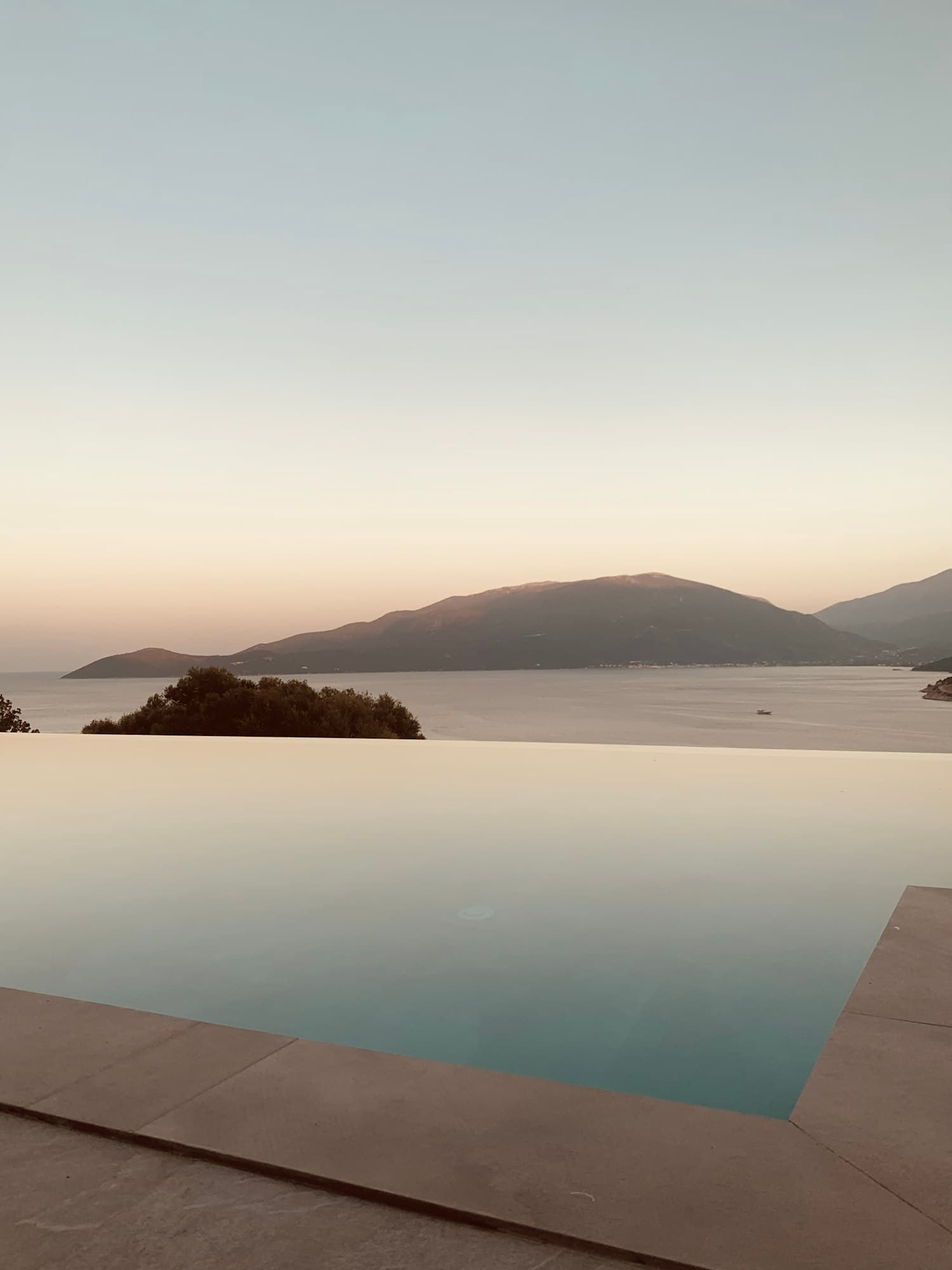
Tholaria sits on a ridge high above Aegiali bay, at the quiet northern end of Amorgos, and takes its name from the ancient vaulted tombs found nearby. This house is at the top of the village, and its terrace ends in an infinity pool that looks across the bay to the mountains, best in the last hour of light. There are two vaulted bedrooms, each with a double bed and its own bathroom, so it sleeps four, and a kitchen where Eftychia leaves a bottle of her rakomelo and a jar of wild sage. The steep path down to Aegiali and its beach takes about forty minutes, and the bus runs several times a day in summer. Aegiali harbour, where the ferries call, is ten minutes by car.
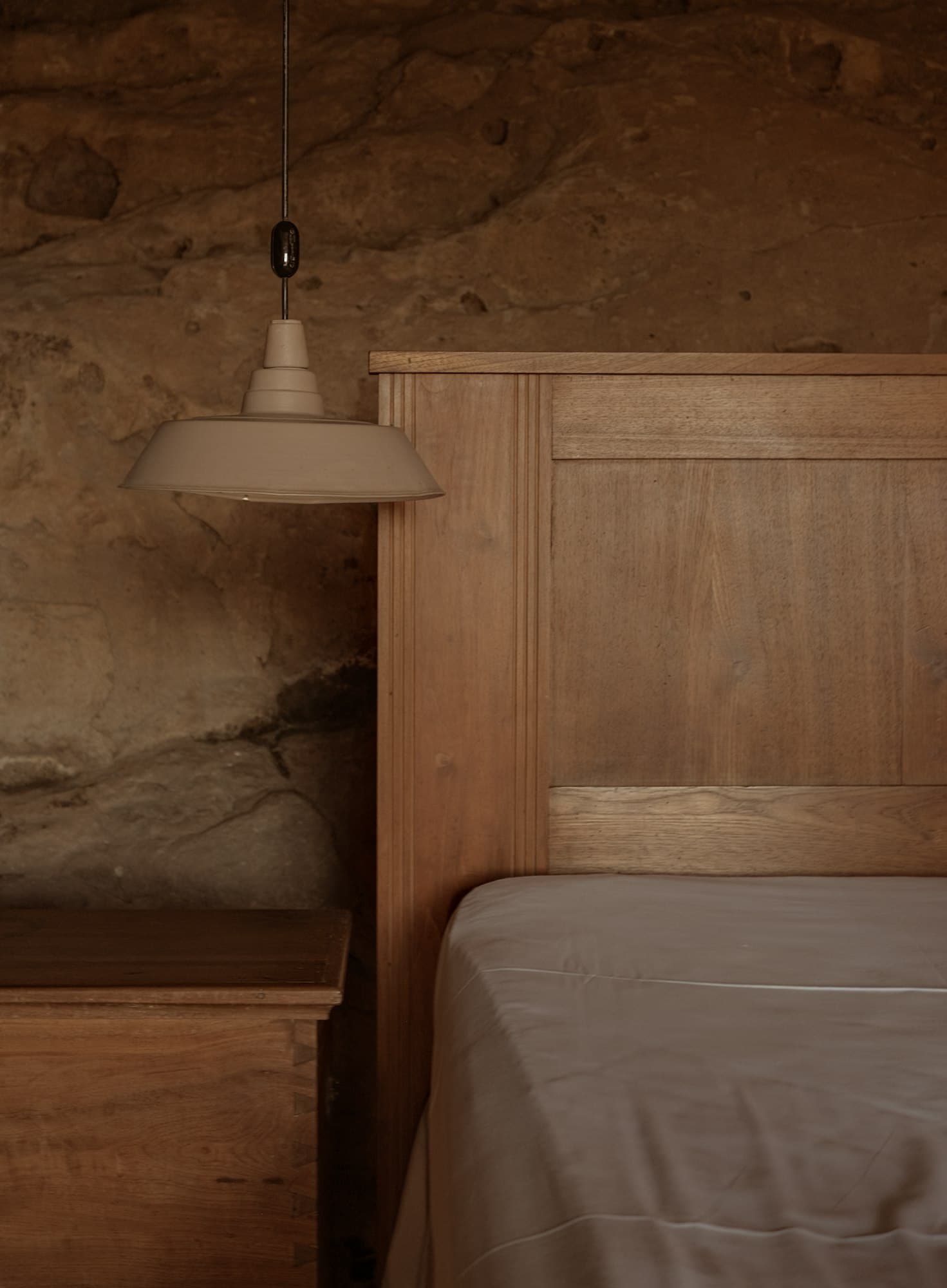
Lefkes was the capital of Paros for centuries, hidden in the hills away from pirates, and it still feels a little apart. This was Despina’s grandmother’s house: thick stone walls whitewashed everywhere except the main bedroom, where the bare stone was left behind a plain wooden bed. There is a blue window above the kitchen bench and two small bedrooms, each with its own shower room; it sleeps four, in a double and two singles. Mornings stay cool even in July. The village car park is a five-minute walk along marble-paved lanes, and the bakery and the square are closer still. The old Byzantine path down to Prodromos starts at the edge of the village and takes about an hour through olive terraces. The nearest beach is a twenty-minute drive, and Parikia port twenty minutes by car or bus. Well-behaved dogs are welcome.
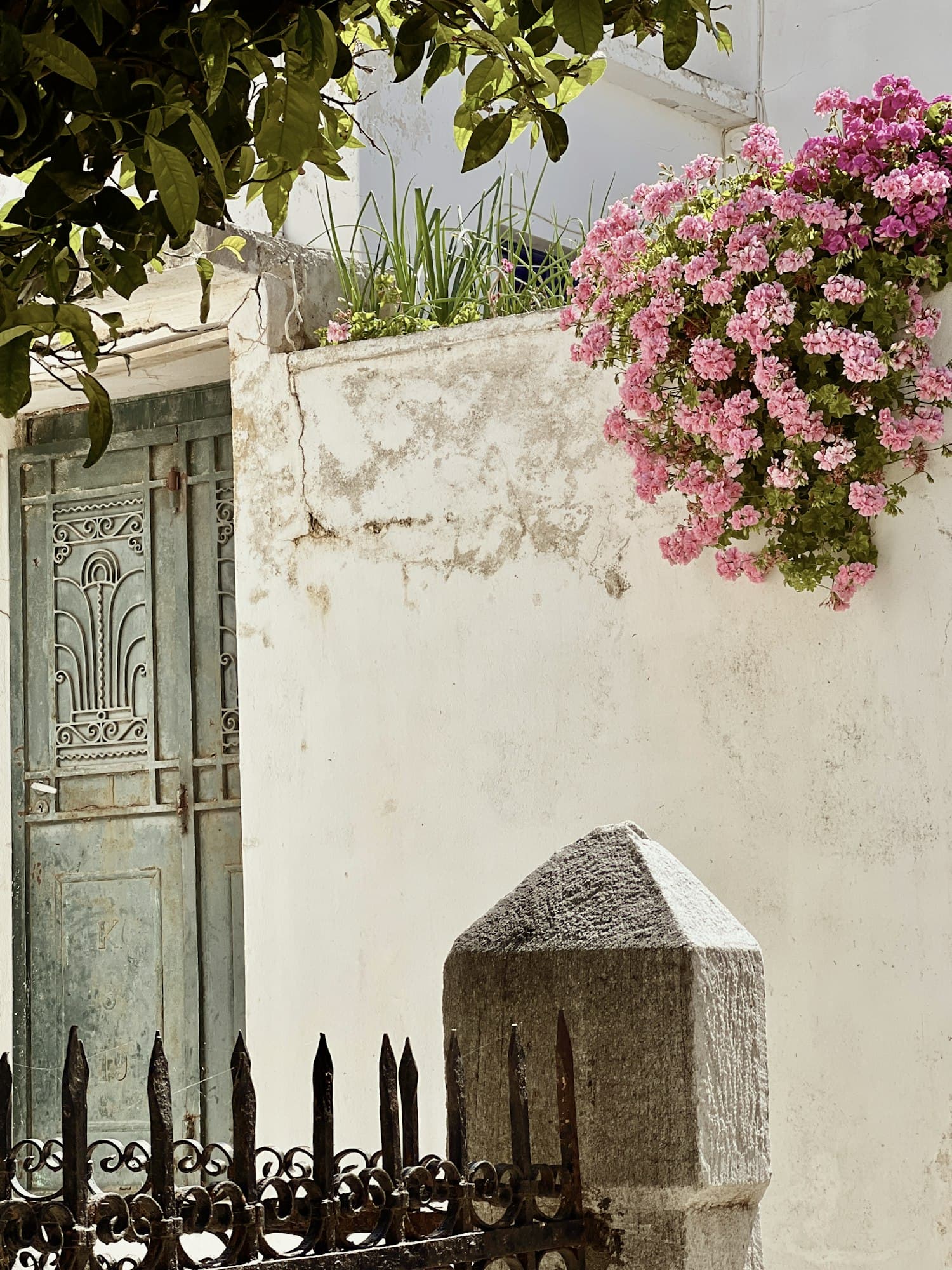
Apiranthos sits high on the slopes of Mount Fanari in the middle of Naxos, a village of marble-paved lanes and grey stone houses that looks nothing like the beach postcards. This narrow two-bedroom house stands behind a green iron door on a lane off the main street, with timber beams, a simple kitchen and a roof terrace facing down the valley towards the east coast. One bedroom has a double bed and the other two singles, so it sleeps four. Evenings are cool and the village is quiet by eleven. The car park at the entrance to the village is a four-minute walk, and the square with its two kafeneia is closer. Moutsouna, the nearest beach, is twenty-five minutes down the mountain by car, and Naxos port forty-five. Two of the island’s oldest walking paths start at the edge of the village.
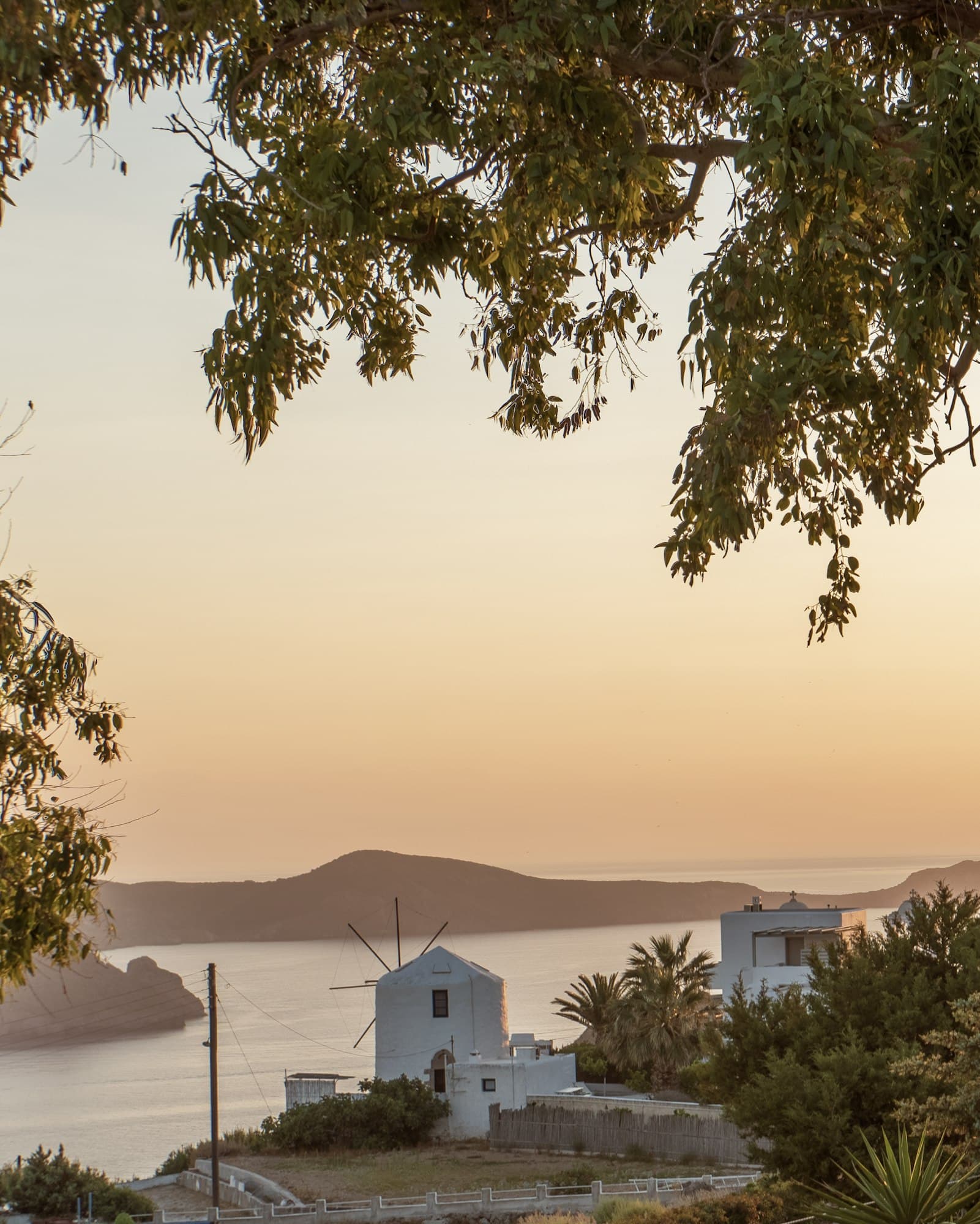
Trypiti runs along a ridge just south of Plaka, the hilltop capital of Milos, and its row of restored windmills looks west over the bay and out to open sea. This two-bedroom house is on the lane below the windmills, with a whitewashed sitting room, a deep window facing the water and a small roof terrace under an old eucalyptus, where most guests end the day. One bedroom has a double bed and the other, smaller one a single, so it sleeps three. The path down to the Catacombs, the ancient theatre and the fishing hamlet of Klima starts at the end of the lane, and Plaka’s squares are ten minutes’ walk along the ridge. Adamas port is fifteen minutes by car or by the Plaka bus, and Sarakiniko twenty. Marina leaves a hand-drawn map of the island’s rock formations and swimming spots on the table.